


Last Updated: November 12, 2026
Quick Summary
To repair damaged curls without heavy products, first identify whether you have dryness, buildup, or real structural damage, then use the wet-strand test to check protein versus moisture balance. Stick to gentle handling, sulfate-free cleansing, lightweight water-based conditioners, and a low-product routine for at least a month before changing anything.
- Never brush dry curls; detangle only when hair is wet and coated in conditioner.
- Heat damage shows as curls that stay straight or limp in sections and needs a trim.
- Alternate one protein treatment every two to four wash days with moisture-focused conditioning in between.
- Apply leave-in from mid-shaft to ends, starting with a dime-sized amount for fine curls.
- Most people see first progress in a few weeks, with real change taking a few months.
Table of Contents
- First, Tell Real Damage From Dryness and Buildup
- How to Stop Curly Hair Breakage With Gentler Handling
- Signs of Heat Damaged Curls and How to Cut Back on Heat
- Protein vs Moisture Balance for Curly Hair
- Lightweight Deep Conditioners for Curls That Won't Weigh Hair Down
- A Low-Product Recovery Plan for Repair Damaged Curls
- How Long Curl Recovery Takes and What Progress Looks Like
- Building Your Lightweight Repair Routine With Fancy's Hair Innovation
- Frequently Asked Questions
First, Tell Real Damage From Dryness and Buildup
Most people who want to repair damaged curls start buying products before they know what is actually wrong. That is the first mistake.
Here is how to tell them apart:
- Dryness: hair feels rough and straw-like, but bounces back when wet. Curls lose definition between wash days.
- Buildup: hair feels coated, waxy, or stiff near the roots. Curls look dull and limp even after washing.
- Real damage: strands stretch and snap instead of bouncing back. Split ends and mid-shaft breaks appear. The curl pattern looks looser in patches.
Before buying anything, run one simple test. Wet a single strand and pull it gently. If it stretches far and breaks, you likely have a protein problem. If it snaps right away, you need moisture.
That test saves you from treating a buildup problem with heavy creams. Below, we will show you exactly how to repair damaged curls without weighing them down.
Before buying anything, use this quick guide to tell which problem you are actually dealing with.
| Problem | How it feels | What it needs |
|---|---|---|
| Dryness | Rough and straw-like, but bounces back when wet | Moisture |
| Buildup | Coated, waxy, or stiff near the roots | Gentle cleansing |
| Real damage | Strands stretch and snap instead of bouncing back | Trim and gentle care |
| Wet-strand test: stretches far and breaks | Weak, stretchy strand | Protein |
| Wet-strand test: snaps right away | Lacks elasticity | Moisture |
| Wet-strand test: holds and springs back | Healthier than you think | No treatment needed |
How to Stop Curly Hair Breakage With Gentler Handling
Breakage is the clearest sign of hair damage, and rough handling causes more of it than most people realize. Curly hair can be more fragile at the bends of each coil, so harsh tugging can cost you length.
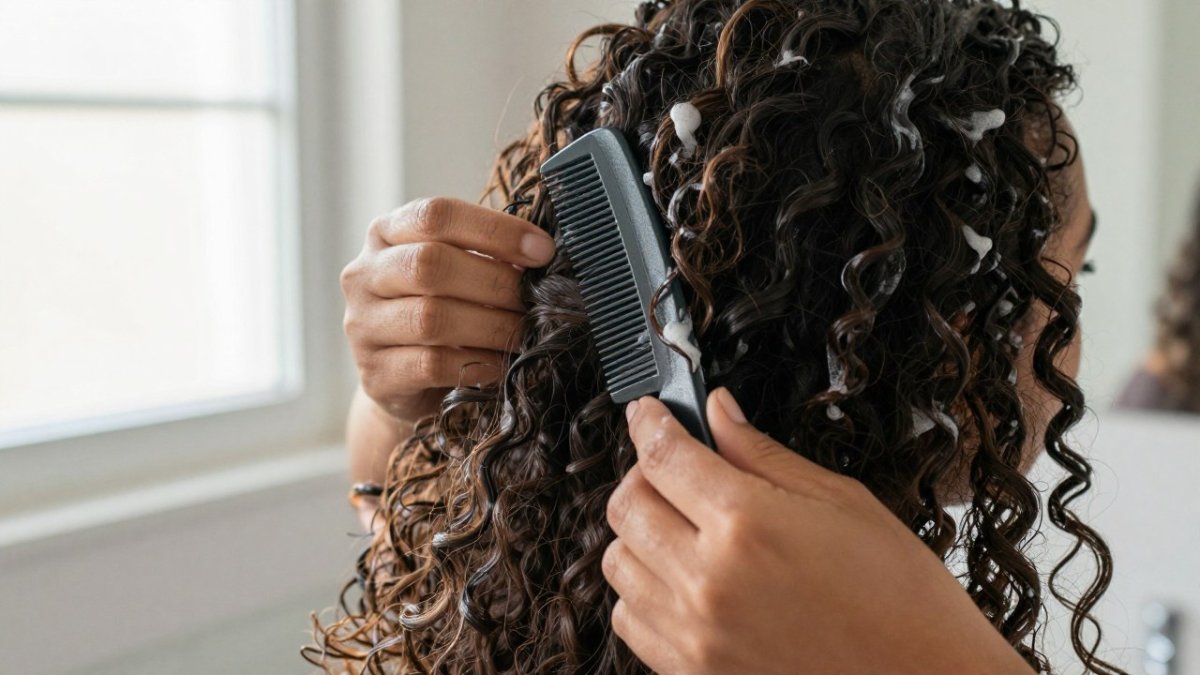
Start with these habits:
- Never brush dry curls. Detangle only when hair is wet and coated in conditioner.
- Work in small sections, from ends to roots.
- Stop pulling the moment you feel resistance.
- Swap cotton pillowcases for satin to cut friction overnight.
- Use a microfiber towel or cotton t-shirt instead of a terry towel.
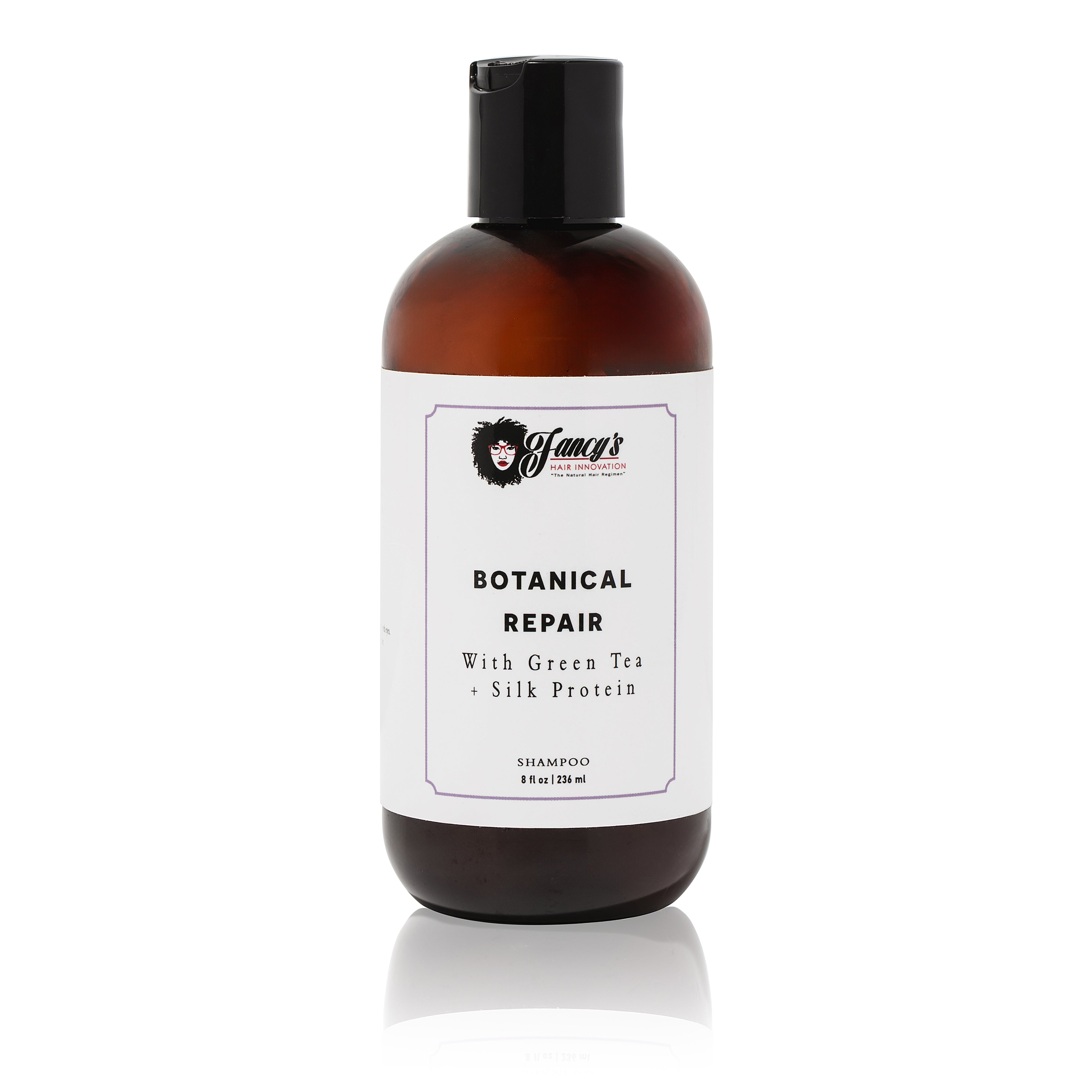
A gentle, sulfate-free cleanser matters too. Our Botanical Repair Shampoo removes product buildup, excess oils, and environmental toxins while helping to keep hair's natural moisture in place.
Detangling Wet Hair With a Wide-Tooth Comb
The right tool and order make detangling safer. A wide-tooth comb glides through wet, conditioned hair with far less tension than a brush.
Apply conditioner first, then comb from the ends upward. Hold the mid-shaft as you work so the pull never reaches the root. Rinse with cool water to seal the cuticle. This one technique change reduces breakage more than most products ever will.
Signs of Heat Damaged Curls and How to Cut Back on Heat
Heat damage shows up as curls that stay straight, limp, or frizzy in specific sections, even after washing. The pattern has been cooked out of shape, and no product can bring it back.
Watch for these signs:
- Curls that no longer coil in certain areas
- Ends that feel crispy or smell scorched
- More split ends on the top layer than underneath
- Hair that breaks when you run fingers through it
The fix is simple: cut heat styling down, not just down a notch. Air dry whenever possible. If you must use heat, keep tools on low, use a heat protectant, and never press a flat iron onto wet or damp strands. Give your curls a break of several weeks and you will see the pattern return in the healthy sections. The damaged sections will need a trim.
Protein vs Moisture Balance for Curly Hair
Protein and moisture are not rivals. They work as a pair, and most curl problems come from an imbalance between them. Too little protein leaves strands weak and stretchy. Too much protein makes hair stiff and brittle. The trick is learning to read which side of the balance you are on before you buy another treatment.
Run the Wet-Stretch Test First
Take one clean, wet strand from a shed hair or a inconspicuous section. Hold it at both ends and pull gently.
- Stretches far and snaps: the strand lacks protein. It needs a strengthening treatment.
- Snaps almost immediately: the strand lacks moisture and elasticity. It needs hydration.
- Holds, then springs back: the balance is close to right. Do not add a treatment just because you saw frizz.
- Feels stiff and straw-like even when wet: likely protein overload. Pull back on protein and focus on moisture.
- Feels limp and mushy when wet: likely moisture overload. Add a light protein boost.
The stretch test can be more informative than judging by look alone, because dryness, buildup, and mild damage can all read as frizz on the surface.
What Each Side Actually Does
Protein treatments deposit hydrolyzed proteins that temporarily fill gaps in the cuticle and cortex, improving strength and reducing breakage. Moisture treatments use humectants like glycerin and aloe to draw water into the strand and improve flexibility. Neither repairs hair permanently; both are maintenance tools that buy time while new growth comes in.
A Practical Cadence
Alternate rather than stack. A common pattern is one protein treatment every two to four wash days, with moisture-focused conditioning on the wash days in between. If your hair feels stiff after a protein treatment, follow with a moisture-focused conditioner on the next wash.
Watch out: layering a protein treatment and a heavy moisture mask on the same wash day makes it hard to tell which one your hair actually needed, so change one variable at a time.
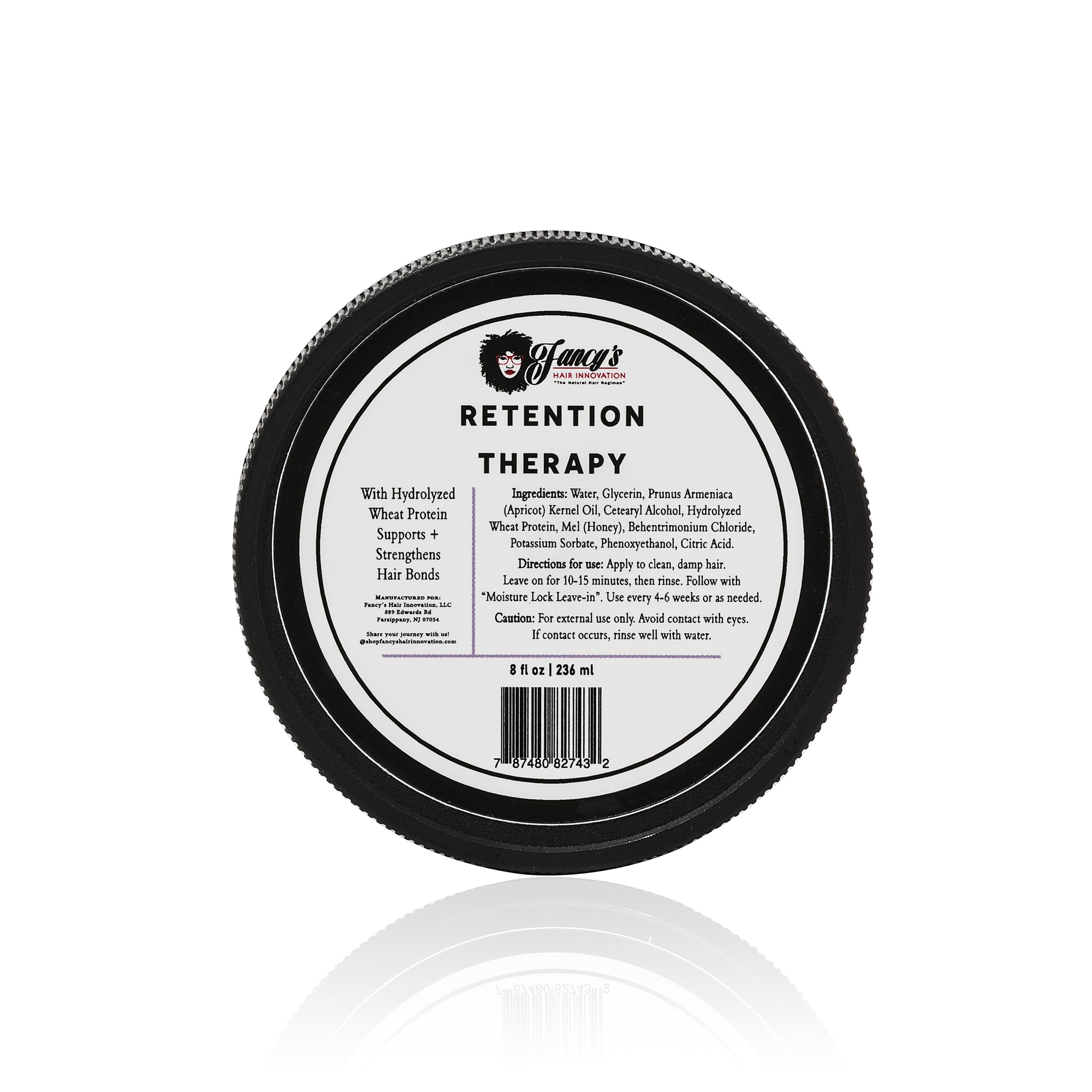
Our Retention Therapy Protein Treatment contains hydrolyzed wheat protein to help strengthen hair and African wild honey to help draw in moisture. Use it on the cadence above, not every wash day.
Lightweight Deep Conditioners for Curls That Won't Weigh Hair Down
Fine or low-density curls need deep conditioning too. The trick is choosing formulas that hydrate without coating the strand. Heavy butters and thick creams sit on top of fine hair and pull the curl down.
Look for these features:
- Water-based formulas with humectants like glycerin
- Light oils such as apricot, jojoba, or sunflower
- No silicones that build up over time
- A texture that rinses clean
Our Hydration Restoration Conditioner contains banana extract, aloe vera, quinoa protein, and jojoba, avocado, and apricot oils, and is formulated to deliver hydration and help smooth the cuticle. Use it as a deep conditioner by leaving it on longer, then rinse thoroughly.
Best for: fine and medium curls that flatten easily. Skip if: your hair is very coarse and thrives on thick butters.
A Low-Product Recovery Plan for Repair Damaged Curls
You do not need a cabinet full of bottles to repair damaged curls. You need fewer products, used correctly, plus technique changes that do most of the work. This is the plan we give clients who are overwhelmed by their routine, and it is built around what you already own.
Separate the Essentials From the Optional
Essential steps (no purchase required):
- Clarify once at the start. Use a gentle shampoo you already have to remove buildup. If you do not own a clarifying shampoo, a sulfate-free cleanser used once with a slightly longer massage can do a partial job.
- Condition every wash day. Apply conditioner to wet hair, detangle with a wide-tooth comb, and rinse with cool water.
- Change your drying and sleeping habits. Swap terry towels for a cotton t-shirt or microfiber towel, and switch to a satin pillowcase. These cost little and reduce friction more than most products.
- Detangle in sections, ends to roots, with conditioner in. Stop pulling the moment you feel resistance.
Optional purchases (only if the essentials are not enough):
- One lightweight leave-in for styling and refresh.
- One protein treatment and one moisture treatment, used on alternating weeks.
- A heat protectant if you use any heat at all.
That is the whole list. If you already own a conditioner and a gentle shampoo, you can start today without buying anything.
Technique Changes That Replace Products
- Water temperature: rinse with cool water to help the cuticle lie flatter and reduce frizz.
- Application amount: use less leave-in than you think. Start with a dime-sized amount for fine curls and add only if needed.
- Placement: apply leave-in from mid-shaft to ends, not at the roots, to avoid weighing down the crown.
- Rinse-out alternative: if a leave-in feels heavy, use your regular conditioner as a light leave-in by applying a small amount to soaking-wet ends and not rinsing it fully.
Watch out: adding a new product every time you see frizz is how routines spiral. Stick to the plan for at least a month before changing anything.
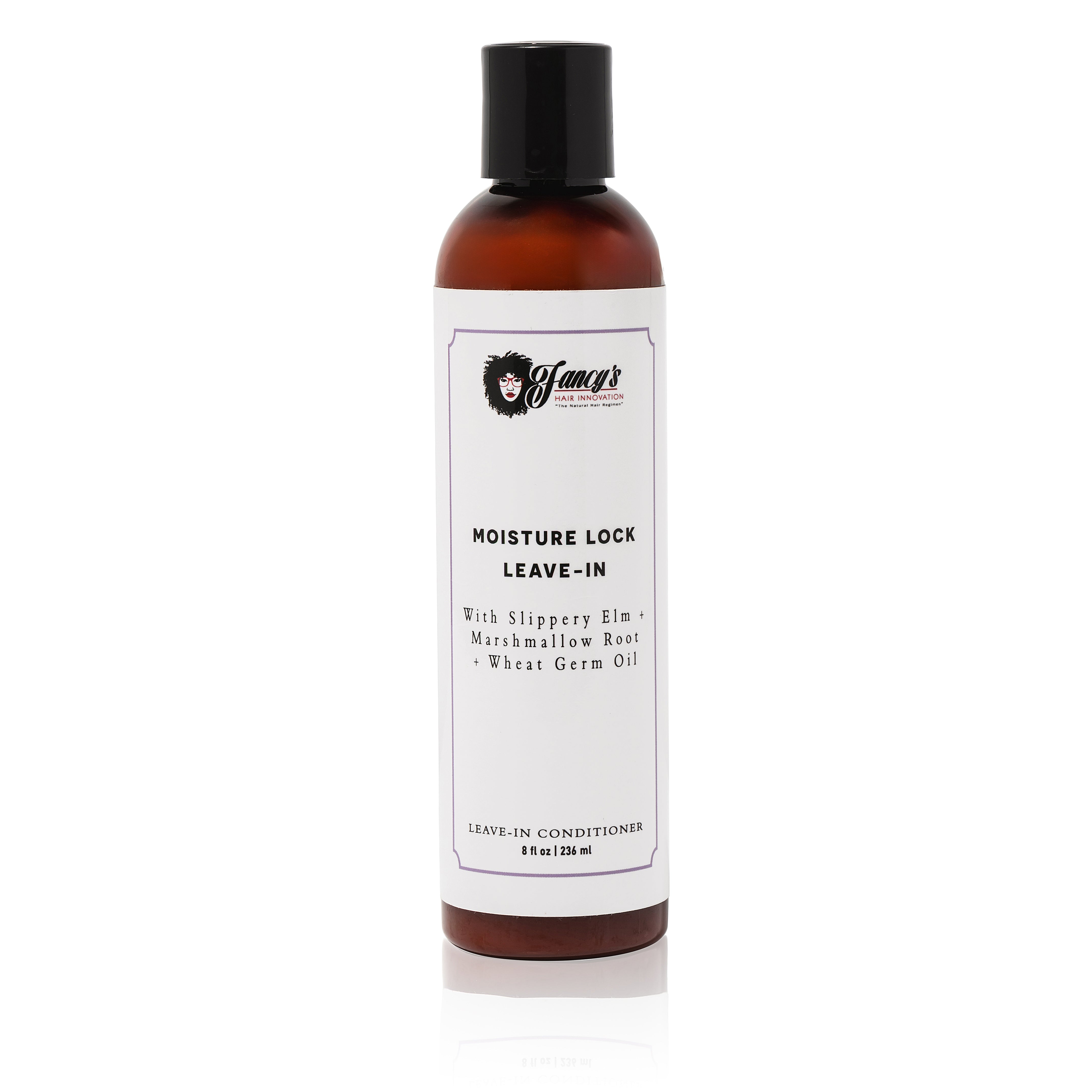
Our Moisture Lock Leave-in Conditioner contains slippery elm and marshmallow root extracts and panthenol (Pro-Vitamin B5), and is described as lightweight. Use it sparingly and only where your hair needs it.
How Long Curl Recovery Takes and What Progress Looks Like
Curl recovery is slow, and that is normal. Most people see the first signs of progress in a few weeks, with real change taking a few months. Hair grows slowly, so damaged sections need time to be trimmed away or grown out.
Signs you are on track:
- Less breakage when detangling
- Curls that spring back when stretched
- More definition with less product
- Softer ends and fewer split tips
If nothing improves after several weeks of gentle care, or if you see patchy thinning or scalp irritation, it is worth seeing a stylist or dermatologist. Some damage needs professional assessment.
Building Your Lightweight Repair Routine With Fancy's Hair Innovation
The hardest part of curl recovery is consistency. A simple routine you actually follow beats a complicated one you abandon. That is the principle behind our 6-step system at Fancy's Hair Innovation, which is designed to simplify routines.
Our formulas are designed with a focus on curl health, and the system is suitable for both home use and salon professionals.
Ready to stop guessing and start repairing? Get started with Fancy's Hair Innovation and give your curls a routine that finally makes sense.
Your curls can recover. It takes gentler handling, balanced protein and moisture, and a routine you can keep.
Frequently Asked Questions
How do I know if my curls are damaged or just dry?
Dry curls feel rough and look dull but bounce back after a wash day with water and conditioner. Damaged curls stay limp, stringy, or frizzy even when wet, and they break when you stretch a strand. Try the stretch test: wet one strand and pull gently. Healthy hair stretches and returns; damaged hair snaps or stays stretched. Product buildup is a third possibility, and a single clarifying wash with a sulfate-free shampoo will tell you which one you are dealing with.
Can you repair damaged curls without heavy styling products?
Yes. Most curl recovery comes from technique, not from layering creams. Reduce heat styling, detangle with conditioner and a wide-tooth comb, and use lightweight water-based products that absorb instead of sitting on the surface. A leave-in conditioner with slip, such as one built on slippery elm and marshmallow root, adds moisture without the coating that weighs fine curls down. The goal is fewer products applied more consistently, not a cabinet full of new ones.
What is the best way to hydrate curls without causing buildup?
Hydrate on wash day with a water-based conditioner, then seal with a small amount of lightweight oil or leave-in rather than a heavy butter. Apply products to soaking-wet hair so they spread evenly, and rinse your scalp thoroughly. Wash every 4 to 7 days with a gentle sulfate-free shampoo, and use a clarifying wash once a month if you use silicones or heavy creams. Water is the real hydrator; everything else helps your curls hold onto it.
How long does it take to restore a natural curl pattern?
Results vary, and recovery is typically gradual with consistent gentle care. The first signs are less breakage during detangling and better curl definition on wash day. Heat and chemical damage to the hair's protein bonds cannot be fully reversed, so the damaged sections need to grow out or be trimmed. What improves fastest is the health of new growth and the appearance of the mid-lengths once you stop adding new damage.
