


Quick Summary
A multi-step hair care routine works when each product has a clear job and the steps are applied in a set order, with cleansing, conditioning, and a leave-in as the essentials. A simpler three-step routine delivers most of the benefit for busy schedules, and extra steps should be added only when hair shows a specific need.
- Cleanse, condition, and apply a leave-in are the essential steps for most routines.
- Layering too many products without cleansing causes buildup that leaves curls limp.
- Adding a clarifying shampoo every two to four weeks helps reset buildup.
- A full 6-step wash day commonly runs 45 to 90 minutes including drying.
- Give any new routine two to three weeks of consistent use before judging results.
Table of Contents
- Does a Multi-Step Hair Care Routine Really Work?
- What Is a Multi-Step Hair Care Routine?
- The Benefits of Layering Hair Products and What the Evidence Shows
- Step-by-Step: Building a Curly Hair Routine That Holds Up
- Abbey Yung Method Product List and Where Each Step Fits
- Pros, Cons and the Minimalist Alternative for Busy Schedules
- How Long to See Results and Next Steps for Your Routine
- Frequently Asked Questions
Does a Multi-Step Hair Care Routine Really Work?
Last Updated: November 17, 2026
Multi-step hair care has moved from salon chairs into bathroom cabinets, and most curly-haired readers have a shelf of products to show for it. A multi-step routine works when each step has a clear job and the steps are done in the right order. This guide looks at whether a multi-step routine actually earns its place, and when a simpler approach makes more sense.
What Is a Multi-Step Hair Care Routine?
A multi-step hair care routine is a sequence of products used in a set order, where each product handles one job. Typical steps include cleansing, conditioning, treating, sealing moisture, and styling.
The routine is a toolkit, and you pick the tools your hair actually asks for.
How the Abbey Yung Method Fits In
The Abbey Yung method is a curl-care approach built on layering products in a fixed order. Readers searching for the Abbey Yung method for curly hair usually want the same thing: a clear sequence they can follow on wash day. The core idea is simple. Clean first, hydrate and detangle next, then seal and define.
The Benefits of Layering Hair Products and What the Evidence Shows
Layering works because each product does a different job, and the order matters more than the number of bottles. A cleanser removes buildup so the cuticle can accept water and conditioning agents. A conditioner deposits fatty alcohols and cationic surfactants that smooth the cuticle and reduce friction between strands. A leave-in or cream holds water in the strand, and an oil or butter on top slows evaporation. Skip a step and the next one has less to work with.
The evidence is strongest for the basics. Clean hair takes product better, and moisture applied to damp hair is less likely to be lost. Detangling wet hair with conditioner is commonly recommended to reduce breakage during combing (pubmed.ncbi.nlm.nih.gov).
- Cleansing clears product buildup that can weigh curls down and block later products from reaching the strand.
- Conditioning lowers friction so combing and styling cause less breakage.
- Sealing slows moisture loss between washes, which matters most in low-humidity indoor air.
- Defining holds the curl pattern so it does not fall flat as hair dries.
The buildup trade-off. Layering has a real cost: every leave-in, cream, and oil leaves residue. If you layer four or five products and only cleanse once a week with a gentle shampoo, residue accumulates, curls get limp, and the scalp can itch or flake. The fix is not fewer steps but a reset, a clarifying shampoo every two to four weeks, or a double cleanse on wash day when you have used heavy stylers. Watch out: adding a new layer to fix dull hair often makes buildup worse, not better.
Order matters more than count. Water-based products go on first because they need to reach the strand; silicones, oils, and butters go last because they form a film. Applying a heavy butter before a water-based leave-in blocks the leave-in from doing its job. This is why a fixed sequence, cleanse, condition, leave-in, seal, define, outperforms the same products applied in random order.
What the evidence does not support. No credible public research shows that an 8- or 10-step routine outperforms a well-ordered 3- or 4-step routine for the average person. The benefit comes from matching steps to your hair's actual needs, porosity, density, and damage level, not from the number of products on the shelf.
Step-by-Step: Building a Curly Hair Routine That Holds Up
Start with a clear order and keep it consistent for two to three weeks before you judge the results.
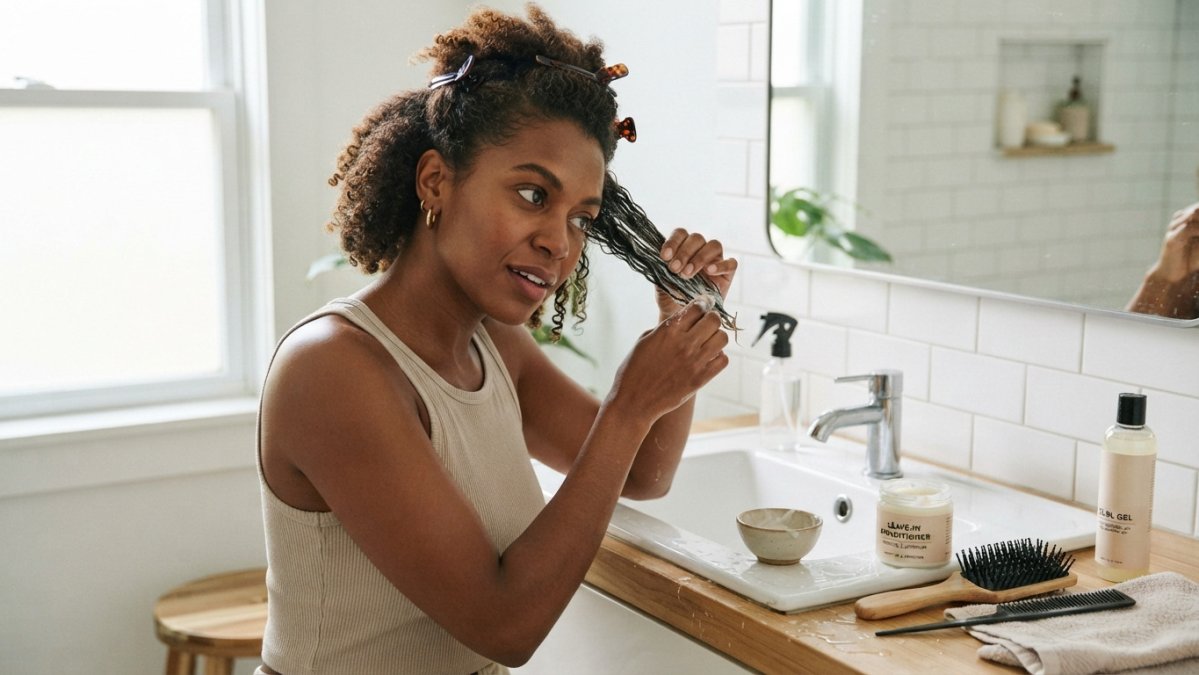
- Cleanse with a gentle, sulfate-free shampoo.
- Condition while your hair is still wet to help detangling.
- Apply leave-in on damp hair, working section by section.
- Define with a curl cream or styler, and let it set.
- Dry gently without heavy rubbing.
Watch out: adding a new product every day makes it hard to tell what is helping and what is causing buildup.
Pre-Wash Treatment, Hydration and Damage Repair
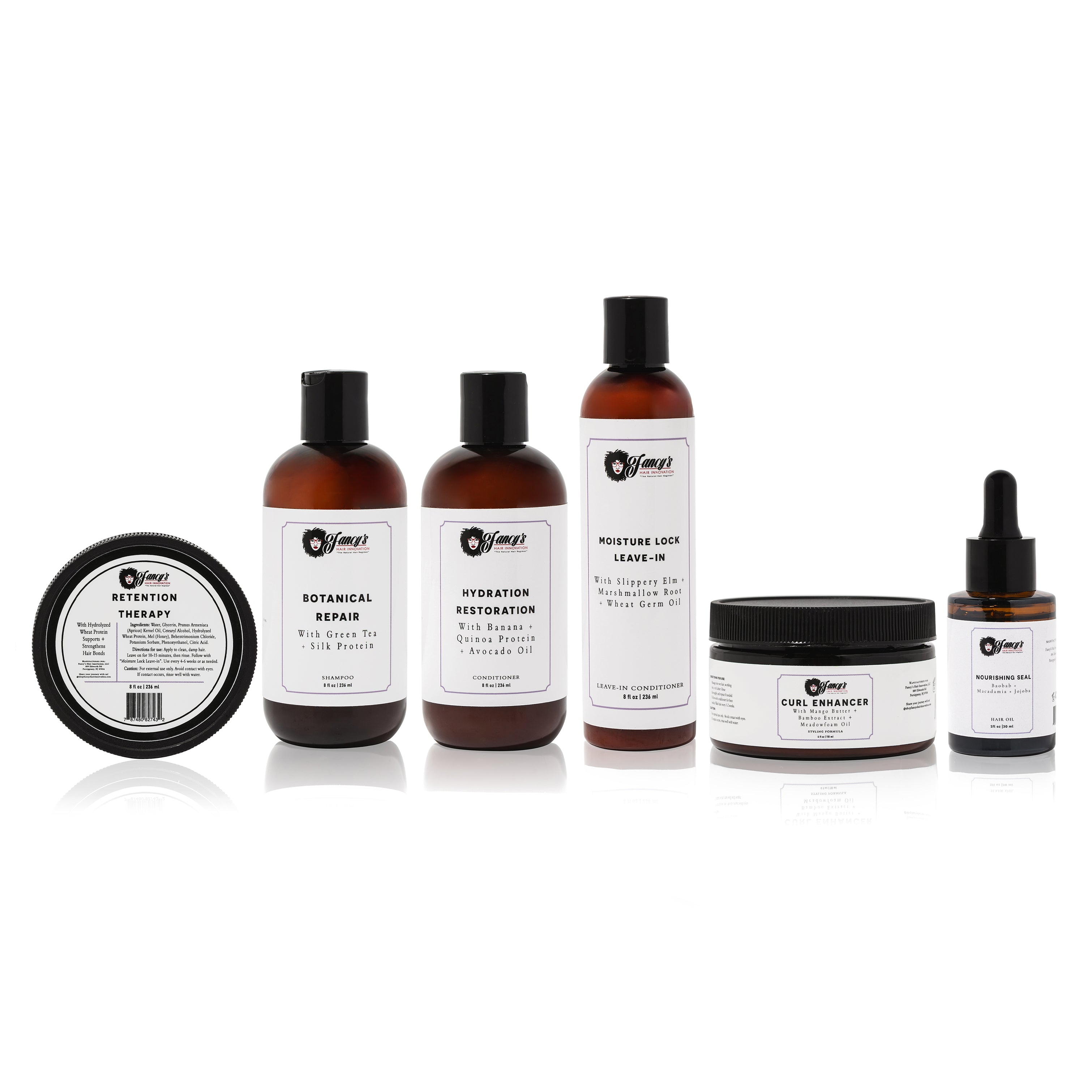
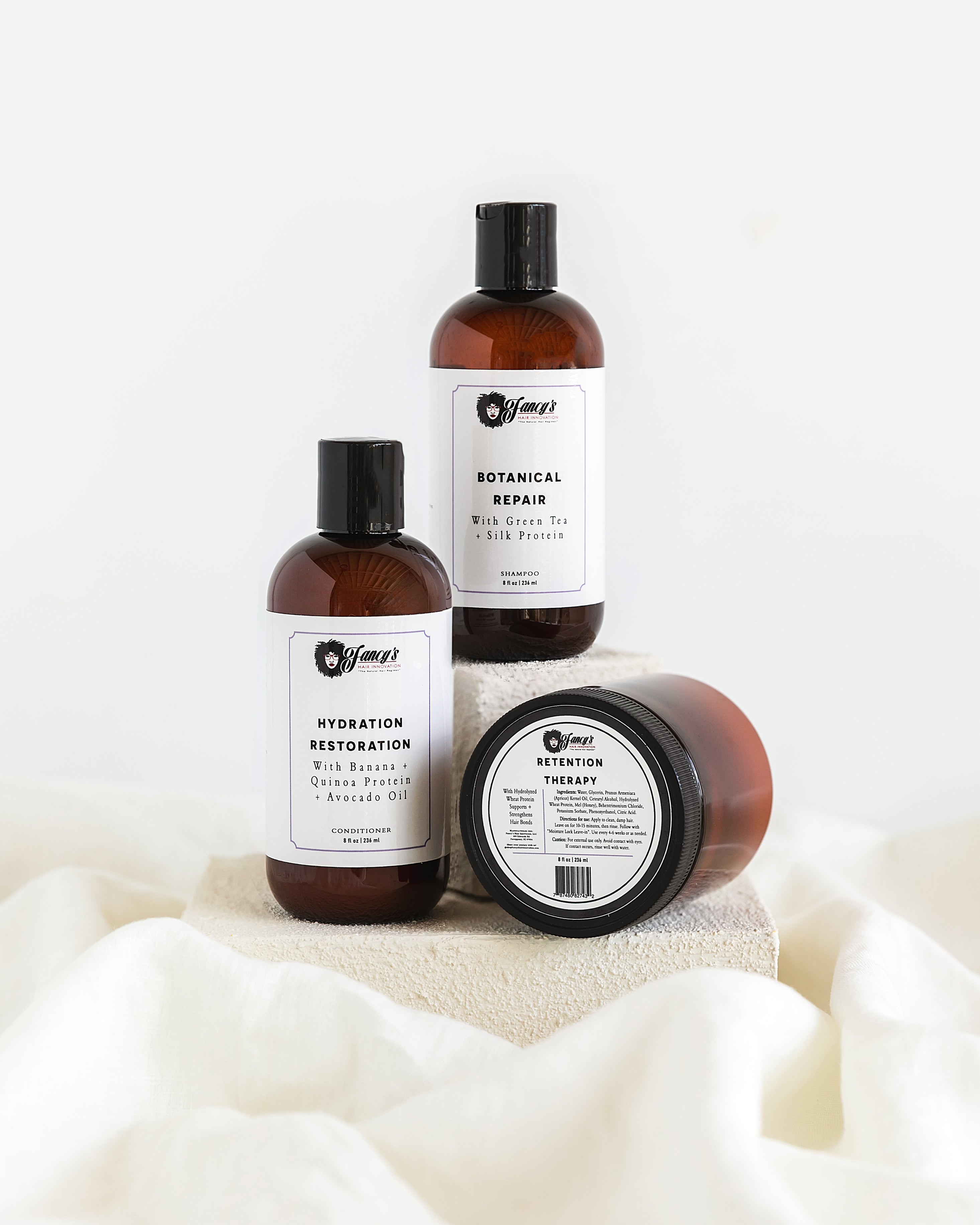
A pre-wash treatment is a product applied before shampooing to protect strands during cleansing. The Retention Therapy Protein Treatment and the Hydration Restoration Conditioner are part of the Fancy's Hair Innovation regimen for these stages.
Use protein only as often as your hair needs it. Too much protein can leave hair stiff, while too little leaves it limp, so watch how your strands feel after each wash.
Abbey Yung Method Product List and Where Each Step Fits
Readers asking about the Abbey Yung method product list usually want to know which product goes where. Here is how a curl routine built on these products maps out:
| Routine Step | Job | Product Type |
|---|---|---|
| Cleanse | Remove buildup | Gentle shampoo |
| Pre-wash | Protect and repair | Protein treatment |
| Hydrate | Detangle and soften | Conditioner |
| Seal | Lock in moisture | Leave-in |
| Define | Set curl pattern | Curl cream |
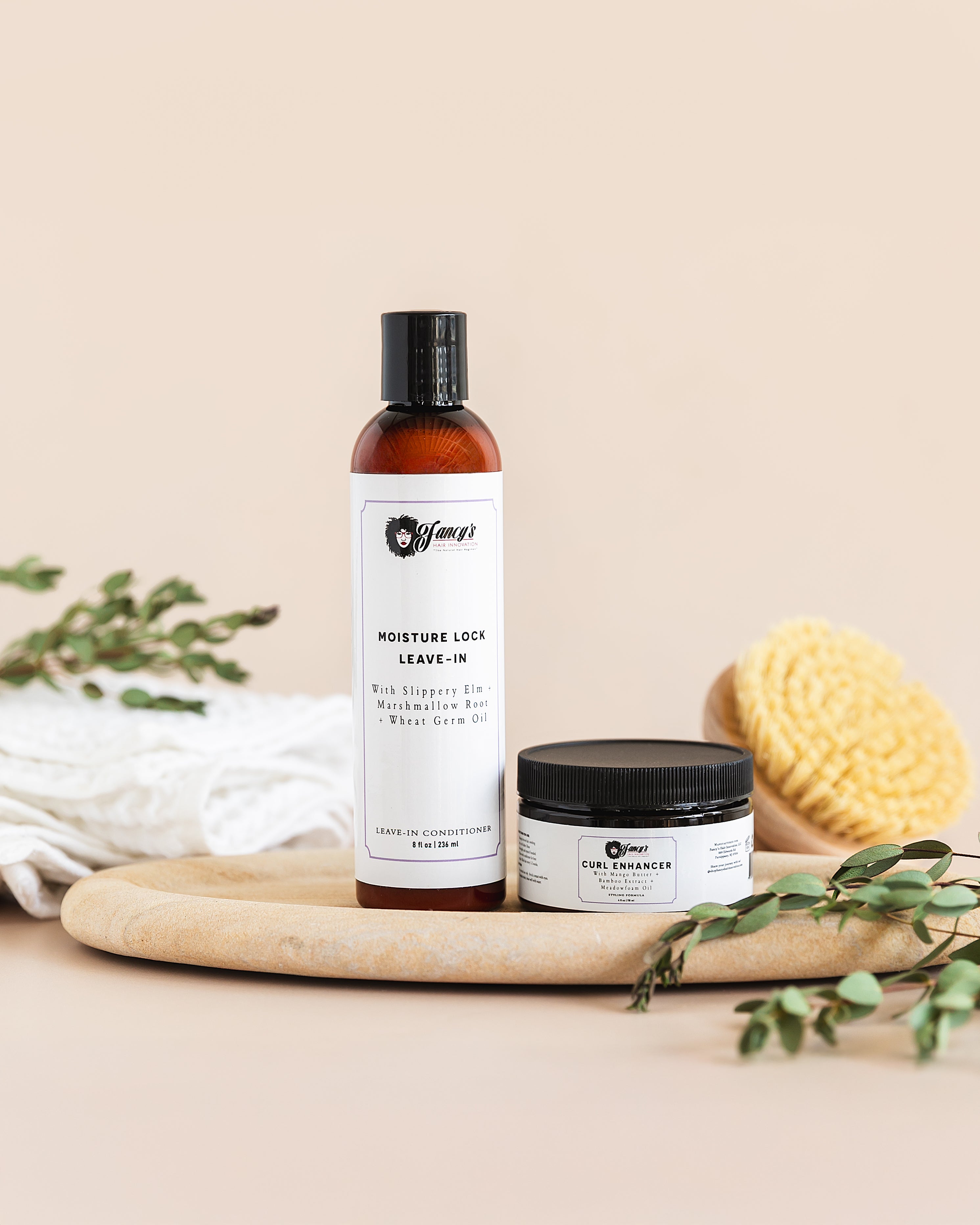
The full regimen is available as The Natural Hair Regimen, which bundles the steps into one set. If your focus is styling, the Curl Definition Duo Ultimate Styling Kit covers the leave-in and curl-defining stage together. For repair, the Strength & Restore Trio pairs cleansing, hydration, and rebuilding.
Pros, Cons and the Minimalist Alternative for Busy Schedules
A multi-step routine offers control, but it costs time and money. Be honest about both, and separate the steps that earn their place from the ones that are optional.
Pros
- Each step has a clear purpose, so problems are easier to trace.
- It suits textured hair that needs moisture, detangling, and definition.
- A fixed order removes guesswork on wash day.
Cons
- It takes longer, a full 6-step wash day commonly runs 45 to 90 minutes including drying.
- Several products add up.
- More products mean more buildup if cleansing is skipped.
Essential vs. optional steps. The essentials are cleanse, condition, and one leave-in or styler. Everything else is optional and should be added only when hair shows a specific need:
| Step | Status | Add it when... |
|---|---|---|
| Cleanse | Essential | Always |
| Condition | Essential | Always |
| Leave-in or styler | Essential | Always |
| Pre-wash treatment | Optional | Hair is dry, porous, or heat- or color-damaged |
| Protein treatment | Optional | Hair feels mushy or stretches and breaks |
| Scalp serum | Optional | Flaking, itching, or thinning at the part |
| Oil or butter to seal | Optional | Hair dries out within a day or two of washing |
Customize by hair type. Fine, low-density hair does better with fewer, lighter layers, a leave-in mist instead of a cream, and no heavy butter, which flattens volume. Thick, coarse, or coily hair can carry more layers and often needs a cream plus an oil to hold moisture through the week. High-porosity hair benefits from a pre-wash treatment and a sealing oil; low-porosity hair does better with lightweight, water-based layers and a clarifying wash more often, because heavy products sit on top and cause buildup.
The minimalist alternative. A three-step routine, cleanse, condition, leave-in, delivers most of the benefit for busy schedules. Add a pre-wash treatment only when hair feels dry or breaks easily, and add a styler only when you want definition. This keeps wash day under 30 minutes and cuts the product shelf to three bottles.
Best for: people with coily or curly hair who want a repeatable system and have the time to run it.
Skip the full routine if: your schedule allows only a few minutes per wash and your hair is doing well with one shampoo, one conditioner, and one leave-in. The routine is a toolkit, not a test.
How Long to See Results and Next Steps for Your Routine
Give a new routine at least two to three weeks of consistent use before deciding whether it works. Hair changes slowly, and switching products every few days hides the real effect.
Keep a simple log: wash day, products used, and how your hair felt when dry. After a month, you will know which steps earn their place and which you can drop.
For questions about timing, ingredients, or ordering, check the FAQs for answers before you commit to a full routine.
Ready to build a routine that fits your hair? Start with The Natural Hair Regimen and see how a clear, six-step system can take the guesswork out of curl care.
Frequently Asked Questions
Does a multi-step hair care routine actually work?
It works when each step solves a specific problem for your hair. Cleansing, conditioning, moisture and sealing address different needs, and skipping any one of them can leave dryness or breakage unaddressed. A multi-step routine does not work through volume of products alone. Curly and coily hair often benefits from layering because the cuticle tends to lift when dry, making moisture harder to hold. Track your hair for four to six weeks, and if steps are not changing dryness, breakage or definition, remove the ones that add nothing.
Do you need all the steps of the Abbey Yung method?
No. The Abbey Yung method is a structured sequence, but you do not need every step to see benefits. Start with the steps that target your main concern. If dryness is your issue, prioritize moisture and sealing. If breakage is the problem, add protein-balanced treatments and gentle detangling. Adding steps one at a time makes it easier to see which change helped, and avoids the buildup that comes from using too many products at once.
How long does it take to see results from a new hair care routine?
Most people notice changes in softness, moisture and curl definition within two to three wash days. Reduced breakage usually takes longer to show, often four to eight weeks, because you need new growth and fewer broken strands to compare. Take photos and note how your hair feels after each wash to measure progress more objectively than memory allows.
Can a multi-step routine help hair grow longer?
A routine cannot change how fast hair grows, which is set by the growth cycle and genetics. What it can do is reduce breakage, so the length you grow is retained. Gentle cleansing, adequate moisture and careful detangling keep strands intact. If you notice significant shedding or thinning, consult a dermatologist, since those symptoms may have causes a hair product cannot address.
